
Should You Build Fafnir | Hero Wars Dominion Era

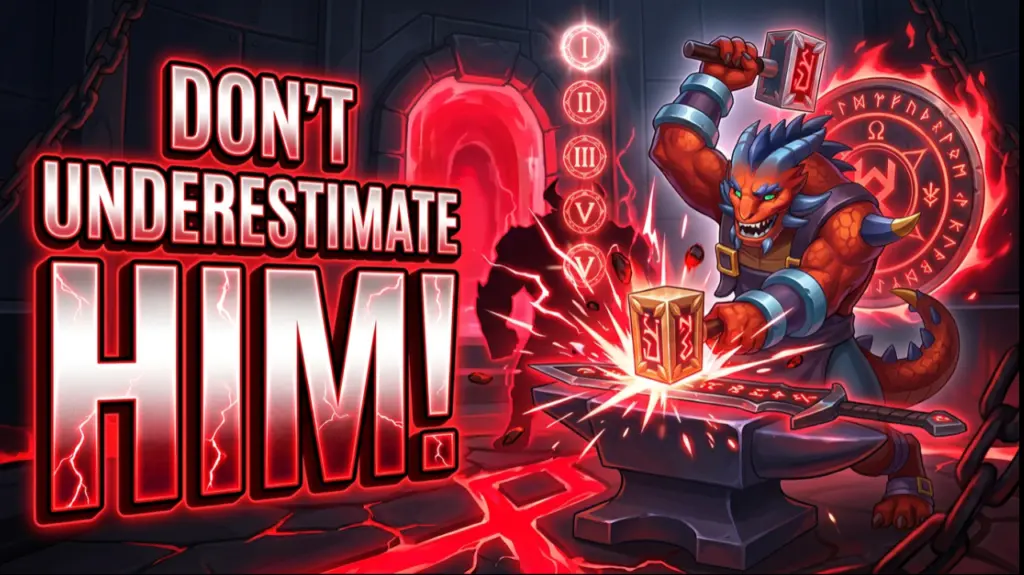
Should You Build Fafnir? It’s one of the most common questions I get about him, and the honest answer depends far less on Fafnir himself than on the five heroes standing beside him. At first glance he looks simple — a shield, a stun, a little extra physical damage — yet that surface reading hides just how much this Strength support can do for the right lineup.
Behind the hammer, Fafnir can protect your main carry from death, amplify physical damage, stun the entire enemy team, and convert your squad’s crowd control into stacking Armor Penetration. However, drop him into the wrong composition and a huge slice of that value simply evaporates. That contradiction is exactly why he’s so misunderstood.
He isn’t a support you throw into any five heroes while expecting magic to happen. Instead, he’s a specialist who needs the right carry, the right damage type, and the right mechanics around him. So let’s break down his kit, the team he’s practically begging for, and whether your account is actually ready to invest.
Who Fafnir Is
Fafnir is a Strength-based support hero with a heavy control element, and you can keep collecting his Soul Stones through Soul Stone Chests and the Soul Atrium. His entire identity, though, revolves around a single idea: find the right physical damage dealer, protect them, strengthen them, and then hand them the tools to tear through the enemy line.
How Fafnir’s Kit Actually Works
Once you look past the “shield and stun” description, four mechanics reveal what kind of team he really wants. Here’s how each piece fits together.
Runic Shield
Fafnir selects an ally and begins forging a shield through his basic attacks, and every strike makes that shield stronger. Here’s the part players tend to miss, though — the shield isn’t active right away. Instead, it stays dormant until the chosen hero drops below 25% Health, and only then does it kick in to absorb incoming damage and buy your carry precious time at their most vulnerable moment. Better still, once per battle it can even save that hero from an otherwise lethal blow, which for a fragile physical carry can completely flip a fight.
There’s also a crucial clue baked into how he picks his target: Fafnir prioritizes Agility heroes. That detail matters, because he isn’t handing a generic shield to whoever happens to be nearby — he’s naturally looking toward an Agility-based physical carry who can weaponize everything he provides.
Runic Blade
Protection is only half of what Fafnir forges. The same ally also benefits from Runic Blade, which enchants their weapon and boosts their physical damage for eight seconds on a rotating cooldown. So one mechanic keeps your carry alive while the other helps that same carry kill faster — he never has to choose between offense and defense, because he’s building both around one hero.
Blacksmith Mastery
This is where a fight can swing hard. His ultimate, Blacksmith Mastery, stuns every enemy for two seconds and then spreads the Runic Blade damage bonus across your whole team instead of keeping it locked on one hero. On top of that, if his protected ally already has an active Runic Shield when he ults, that shield effect can be copied across the team too.
In other words, a single ultimate can deliver three things at once:
- Team-wide crowd control across the entire enemy line
- A physical damage boost shared with your whole lineup
- Defensive shielding spread to multiple allies at once
That’s a serious momentum shift right in the middle of a battle.
Knowledge of Flaws
One final piece ties the whole design together, and it explains why simply parking Fafnir next to a physical hero isn’t enough. Through Knowledge of Flaws, whenever one of your allies stuns an enemy, he seals that ally with bonus Armor Penetration — and the effect stacks up to five times.
Now the blueprint finally clicks into place. Fafnir doesn’t just want raw damage; he wants physical damage paired with control. Your team lands stuns, he rewards those stuns with Armor Penetration, and as a result your attackers get a far better shot at punching through enemy Armor. Meanwhile, he’s still shielding his carry, buffing their physical damage, and adding a full-team stun of his own.
The Team Fafnir Actually Wants
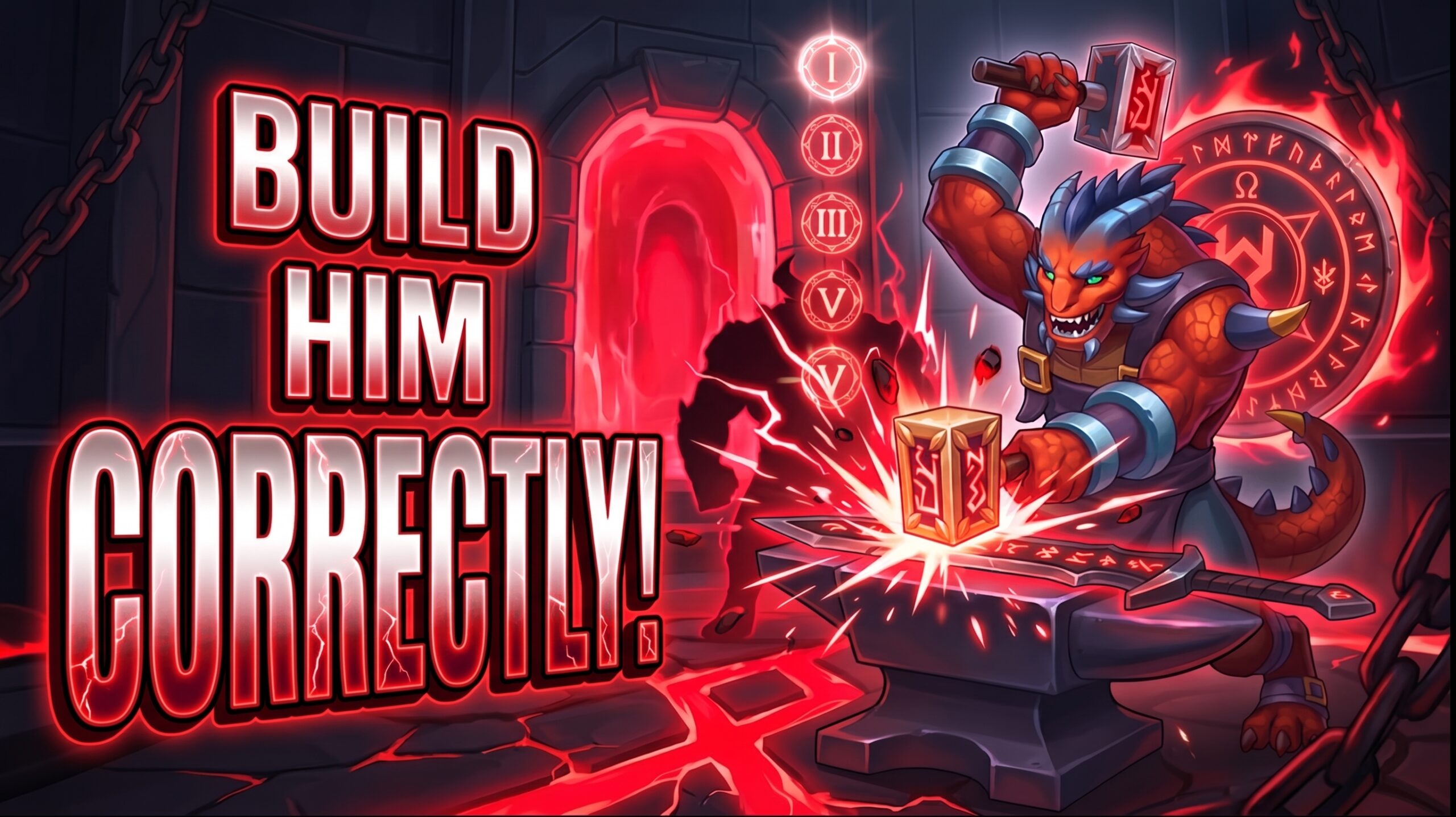
This is why I’d stop thinking of Fafnir as a standalone hero and start treating him as a force multiplier. Give him an average setup and you’ll get an average Fafnir; give him the mechanics his kit is asking for, however, and several parts of your team suddenly begin feeding into each other.
Keira is the obvious poster child. She’s an Agility physical damage dealer, and Armor Penetration is enormously valuable to what she does. As a result, Fafnir naturally prioritizes her, strengthens her attacks, shields her when she’s close to death, and converts the control from the rest of the lineup into even more penetration for her. That’s real synergy in action.
That said, this isn’t “Fafnir equals Keira, end of story.” The principle matters far more than any one hero. So look at your physical Agility carries, then look at the crowd control already sitting in your lineup, and ask whether those heroes actually activate the strengths you’d be investing in. To make that easier, here’s what a genuine Fafnir team needs:
- An Agility physical carry — because Fafnir prioritizes Agility targets for his shield and blade buff.
- Reliable stuns in the lineup — since every allied stun feeds Knowledge of Flaws and stacks Armor Penetration.
- A physical damage focus — as Runic Blade and Armor Pen only pay off on physical attackers.
- A carry worth protecting — the lethal-blow save is wasted on a safe, tanky hero who was never going to die.
Where Fafnir Falls Off
Pull Fafnir out of that environment and his value starts sliding fast. Picture him inside a team built mainly around Magic Damage. Sure, his shield still helps and his ultimate still stuns — but the physical amplification does almost nothing, and Armor Penetration loses most of its purpose. Essentially, you’d be pouring resources into a specialist while ignoring the very reason he exists.
That’s why I’d never call Fafnir a universal support. He isn’t a Swiss Army knife; he’s a specialist weapon, and specialist weapons are devastating only when you bring them to the right battle.
Should You Build Fafnir? Investment by Game Stage
With the kit and synergy clear, we can finally answer the real question — should you build Fafnir right now, or leave him on the shelf a while longer? Honestly, the verdict shifts a lot depending on where your account currently sits.
New Players — Hold Off
If you’re new, I’d wait, and not because Fafnir is weak — quite the opposite. The real issue is your resource pool. While your account is still developing, spreading Gold, gear, Glyphs, Skin Stones, and Artifacts across specialized heroes slows down the core team that actually carries your progression. Early on, one strong PvP foundation beats trying to answer every possible situation. So collect his Soul Stones and keep him ready, yet don’t rush the investment unless he’s clearly part of the physical team you’re committing to.
Mid-Game — Check Your Roster
Mid-game is where things get genuinely interesting, so take an honest look at your heroes. Do you already have a developed physical Agility carry? Are there reliable stuns built around that carry, and do you need more protection to keep your damage dealer alive long enough to matter? If you answered yes across the board, then Fafnir has earned your attention, because the team already exists — you’re simply adding the blacksmith who makes the machine hit harder. On the other hand, if your best teams still lean on Magic Damage, don’t force it; he’ll still be waiting later.
Endgame — Specialists Shine
By endgame, specialists become genuinely valuable. You’ve got more developed heroes, more team combinations, and more matchup-specific options, so across Guild War, Clash of Worlds, and Arena you’re no longer hunting for five heroes that solve everything — instead, you’re building tools. In the right physical stun composition, a developed Fafnir absolutely becomes one of those tools. Even so, the rule still holds: don’t build him just because he’s powerful; build him because your team makes him powerful.
Final Verdict
So, should you build Fafnir? If you’re running a physical Agility carry backed by reliable stun support, then yes — go forge him, and enjoy the protection, physical amplification, Armor Penetration, and extra control he brings to that lineup. However, if your account revolves around Magic Damage, you don’t have the right carry yet, or you’re simply too early to justify a specialist, keep collecting him and save those resources for now.
One of the biggest mistakes in Hero Wars is spotting a powerful hero and assuming that power automatically transfers to your account. Ultimately, your roster decides that, your team decides that, and with Fafnir that rule matters more than ever. Build for synergy, invest with purpose, and make every resource count.
More Hero Wars Guides
- How to Get Explorer Moves in Hero Wars
- Eva Announced in Hero Wars: Dominion Era
- Ascension Season Early Guide
- Polaris vs Arachne Comparison
Forge Better Teams With Us
Already running Fafnir? Share your physical carry and stun combo, swap synergy ideas, and get roster feedback from the community.