
Top Core Teams Part 3: How to Build Teams That Never Fall Out of Style

Introduction: Building Foundations Instead of Chasing the Meta
In Hero Wars Alliance, many players focus on chasing the meta of the week. However, that approach often leads to short-term success and long-term frustration. This is why top core teams part 3 Hero Wars Alliance is such an important chapter in the team-building series.
Instead of presenting full teams designed to counter one specific opponent, this guide focuses on something far more powerful. It explains how to build the strongest hero cores in the game. These cores remain relevant even when the meta shifts. They adapt over time. You can expand, modify, and reuse them again and again as your roster grows.
If you followed Parts One and Two, the philosophy should already be clear. Earlier chapters explored Progress foundations like JJI, Chaos structures such as AXA and Kayden, Eternity dodge cores like Dantavia, and Nature synergies like MAM. Each of those cores was never about creating one perfect team. Instead, they focused on building reliable synergy.
Now, top core teams part 3 Hero Wars Alliance continues that journey with three extremely powerful cores that function on very different principles: a devastating debuff engine, an explosive critical strike engine, and one of the most dangerous modern magic cores currently in the game.
Iris, Soleil, and Nebula: A Brutal Debuff-Based Offensive Core
The first core is one of the most punishing offensive setups available in Hero Wars Alliance. The combination of Iris, Soleil, and Nebula revolves around a simple truth. Iris is already terrifying on her own, but with proper support, she becomes overwhelming.
Iris stands out as one of the most destructive damage dealers in the game. This is not because of raw burst damage, but because of how quickly she dismantles enemy defenses. Her Inner Fire stacks, her magic defense shredding, and her execution potential allow her to erase entire teams in seconds when conditions align.
Nebula and Soleil create those conditions. Nebula provides massive magic attack amplification, and her positioning-based buffs ensure that Iris deals damage at peak efficiency during the most important moments of the fight. At the same time, Soleil adds another critical layer through debuffs. She weakens the enemy line, accelerates Iris’s stacking mechanics, and pushes enemies toward critical health thresholds faster.
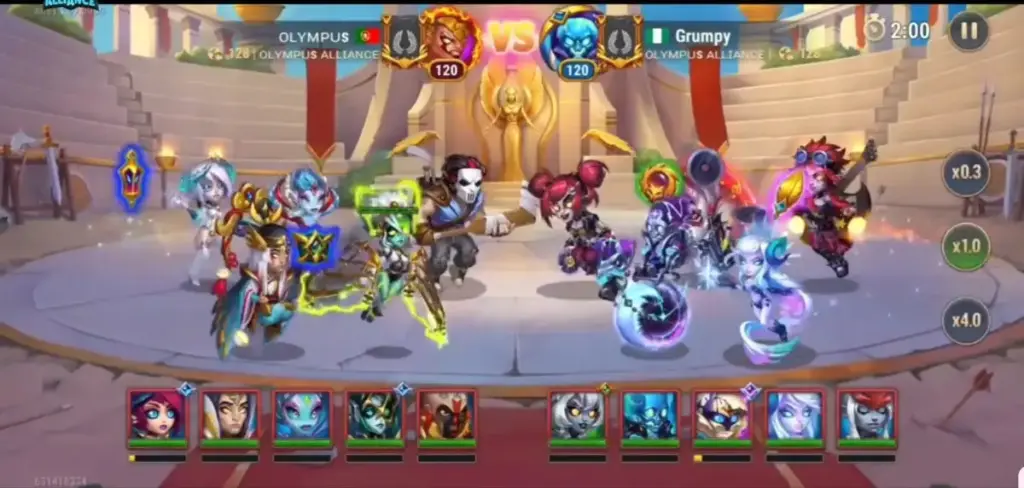
Once this engine begins operating, the flow of combat becomes almost poetic. Debuffs continue to stack. Magic attack spikes sharply. Iris’s familiar strips away defenses. Then the soul burn arrives. At that point, most fights are already decided.
On offense, this core is extremely fast. In many matchups, it rivals and sometimes even surpasses the current Polio meta in terms of sheer kill speed. Teams that lack proper protection against Iris often collapse before they can respond.
What makes this core truly special is its flexibility. The newest tank introduced into the game completely changes how you can play Iris. It absorbs pressure and reduces enemy magic defense to zero, clearing the battlefield for Iris like never before. The result is absolute domination, provided you can afford the investment.
If that option is not available, strong alternatives still exist. Luther offers a cheap and effective way to disrupt enemy backlines through his jump and stun. Helios adds protection against critical hit teams and becomes especially valuable against Progress-based compositions. Julius and Polaris can also be added to layer shields and control, ensuring Iris survives long enough to do her work. Every variation plays differently, and every version remains deadly.
Yasmine, Oya, and Sebastian: The Critical Strike Explosion Core
Next, top core teams part 3 Hero Wars Alliance shifts away from magic devastation and into pure physical chaos. The critical strike core built around Yasmine, Oya, and Sebastian is defined by RNG-fueled bursts of damage that can decide fights instantly.
Yasmine acts as the spearhead of this core. Her attack speed, access to the backline, poison stacks, and dodge mechanics make her one of the most dangerous assassins in the game. However, she does not operate alone.
Oya increases Yasmine’s critical hit chance through her weapon artifact and provides healing every time a critical hit lands. Sebastian takes this synergy even further by boosting critical hit chance again and adding pure damage to every successful critical hit.

This trio feeds into itself continuously. Critical hits generate damage. That damage leads to more critical hits. Critical hits trigger healing and pure damage. When everything aligns, the battlefield explodes.
The arrival of Guus fundamentally changed how this core performs. He converts critical hits into massive sustain, adds even more critical hit chance, and contributes additional pure damage. With Guus included, the core becomes far more durable and significantly more consistent.
This setup performs especially well against mage-heavy teams with low armor and low health. Chaos and Mystery compositions often struggle to survive the initial burst. Against Amira in particular, this core can feel oppressive. Sebastian’s mechanics turn her own kit against her, allowing Yasmine to cut through the rest of the team without resistance.
This core can function as either a three-hero or four-hero foundation, depending on your options.It integrates naturally into dodge-based teams like Dantavia, although you may need to make difficult choices. Alternatively, you can use a tank to protect Yasmine. Astaroth provides safety, while Julius and Cleaver allow the core to lean even further into critical synergy. This is a high-risk, high-reward setup, and when it activates, it is unforgettable.
Satori, Byrna, and Aidan: A Modern Magic Core Built Around Energy
The final core in top core teams part 3 Hero Wars Alliance is the newest and most intriguing. The combination of Satori, Byrna, and Aidan forms a modern magic core that punishes enemy energy gain and rewards patience.
Since his rework, Satori has returned as one of the most dangerous heroes in the game. His damage scales heavily with enemy energy generation, and in longer fights, he becomes nearly impossible to ignore.
Byrna unlocks Satori’s full potential. Her healing, bonus energy distribution, and magic penetration artifact allow Satori to survive on the front line far longer than expected. When he unleashes his ultimate under the right conditions, entire teams can disappear instantly.
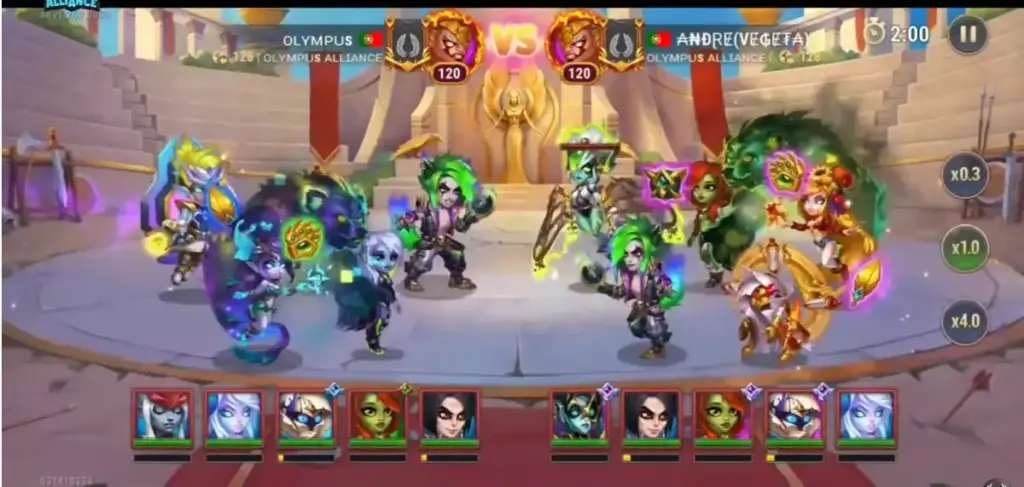
Aidan completes the core by stabilizing the early phase of the fight. Playing Satori aggressively can leave him vulnerable early, and Aidan’s healing and shielding buy the time needed for Satori and Byrna to reach their power spike.
Once that happens, the battlefield flips completely. What makes this core especially interesting is how many directions it can take. Leaning into Mystery synergy introduces heroes like Amira and Lian, who add control, sustain, and additional fox mark generation. Rufus adds safety, while Cascade increases aggression.
Stepping outside Mystery opens different options. Tempus manipulates time, slows enemy progress, and creates windows for Satori to operate. Soleil adds protection and debuffs, reinforcing the core’s stability. This core continues to be explored, and that ongoing discovery is what makes it exciting.
Conclusion: The Lesson of Top Core Teams Part 3 Hero Wars Alliance
The takeaway from top core teams part 3 Hero Wars Alliance is clear. Strong teams are not built by copying counters. They are built by understanding synergy.
The Iris core destroys defenses. The critical strike core overwhelms enemies with explosive pressure. The Satori core punishes energy gain and rewards patience. Each of these cores can evolve. Each can adapt. And each can remain relevant long after the current meta fades.
That is what building real foundations in Hero Wars Alliance looks like.
Check out: Top Core Teams Hero Wars Alliance: Build Reliable and Flexible Squads
Top Core Teams Part 2: Hero Wars Alliance
FAQs: Top core teams part 3 Questions
It focuses on teaching how to build powerful hero cores instead of full counter teams, allowing for flexibility and long-term relevance.
Cores can be expanded, modified, and reused as a roster grows, making them adaptable to meta changes.
It relies on stacking debuffs, amplifying magic attack, stripping defenses, and executing enemies quickly once conditions are met.
Because it depends on RNG-driven critical hits, although successful triggers result in massive damage, healing, and pure damage.
Because it offers multiple viable variations and directions, allowing players to adapt the core while maintaining its central mechanics.