
Top Core Teams Part 2: Hero Wars Alliance

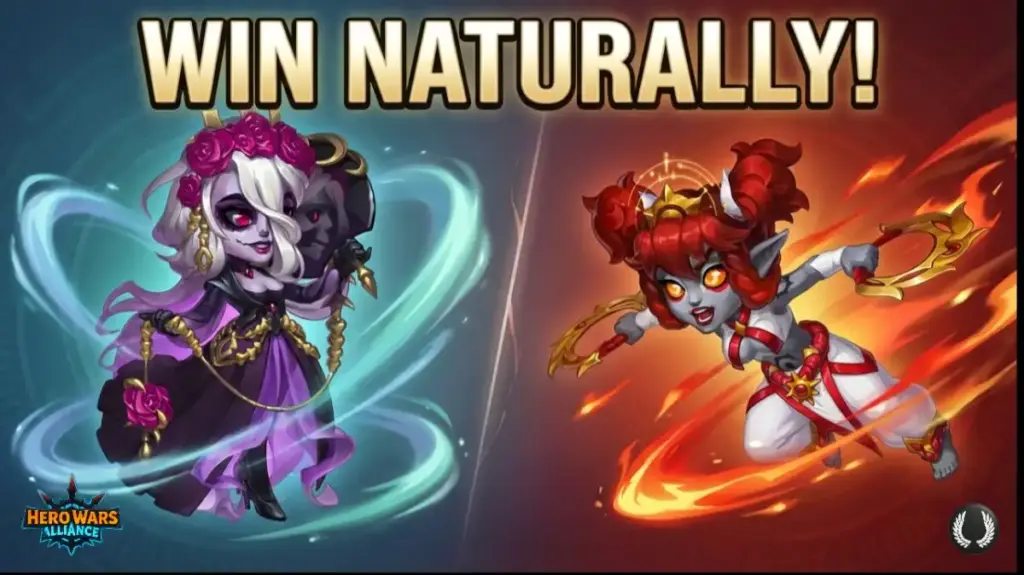
Introduction: Why Core Teams Shape Your Future in Hero Wars Alliance
If you want long-term success in Hero Wars Alliance, then mastering core-based team building is non-negotiable. That is exactly why Top Core Teams Part 2 Hero Wars Alliance matters right now. Instead of relying on fragile lineups that only function against specific matchups, this approach focuses on dependable foundations that continue to perform even as the meta evolves.
By investing in hero cores rather than complete teams, you build smarter. You commit resources once and then adapt around what you already own. As a result, you preserve resources, maintain flexibility, and guide your account’s growth with intention. In Top Core Teams Part 2 Hero Wars Alliance, we continue this philosophy by introducing three additional cores that fulfill very different strategic roles while remaining relevant over time.
Core-Based Team Building Philosophy: Top Core Teams Part 2
At its core, this system is not about chasing counters. Instead, it is about identifying hero combinations with deep internal synergy. These cores remain effective even when balance changes disrupt common team compositions.
Earlier, three powerful cores established this framework: JJI from the Progress faction, AXA from Chaos, and the highly influential duo Polaris and Folio, often referred to as Polio. Now, Top Core Teams Part 2 Hero Wars Alliance expands that foundation by introducing three more cores that further strengthen long-term planning and roster stability.
Core One: The Dantavia Dodge Engine
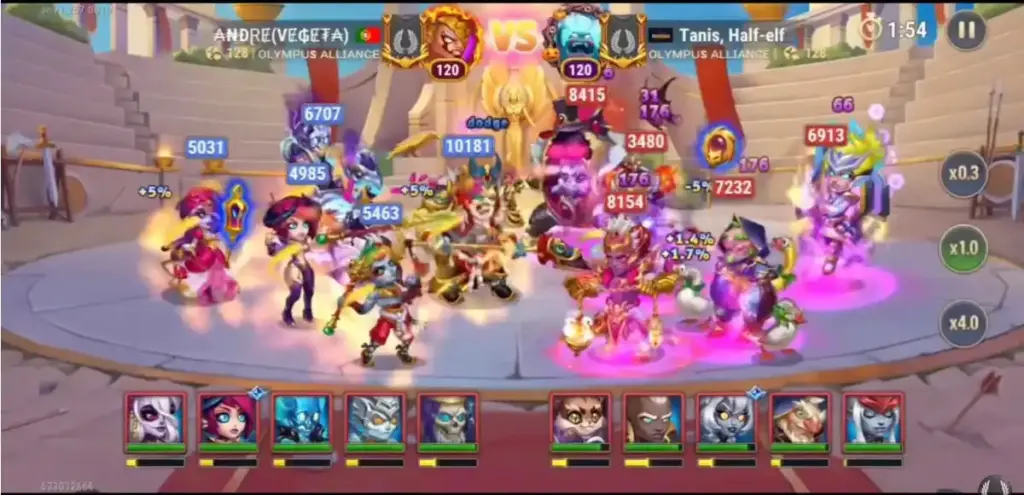
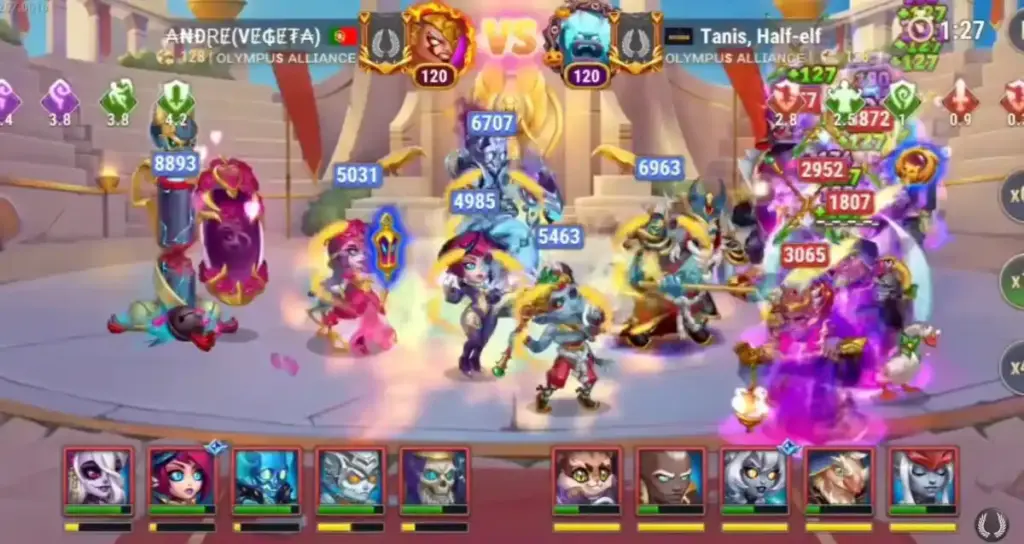
The first core in Top Core Teams Part 2 Hero Wars Alliance is the Dantavia dodge core, built around Dante and Octavia. Together, these two heroes form one of the most refined synergy engines in the game. Their entire design revolves around dodge, as they raise their own evasion while also increasing dodge for the entire team.
Every part of their kit reinforces survivability through evasion or disrupts enemy tempo long enough for the core to activate fully. Because of this, the core becomes dangerous very quickly. Even early in progression, unprepared opponents struggle to land attacks. Hits miss, energy gain accelerates, dodge triggers faster ability usage, and control of the fight shifts before the opponent can stabilize.
This core does not rely on sudden burst damage. Instead, it functions as a momentum engine. Once it begins rolling, stopping it becomes increasingly difficult.
Why Dantavia Is Efficient to Build
One of the strongest advantages of Dantavia is how resource-efficient it is. You do not need complex stat distributions or heavy defensive stacking. The primary focus is physical attack, supported by enough health to survive at your current stage of progression.
Their skills scale naturally with these priorities, and their artifacts reinforce the same direction. Because of this alignment, Dantavia can be built quickly and cheaply. Consequently, it works well for newer accounts while still offering high impact for experienced players seeking a reliable defensive core.
Expanding the Dantavia Core
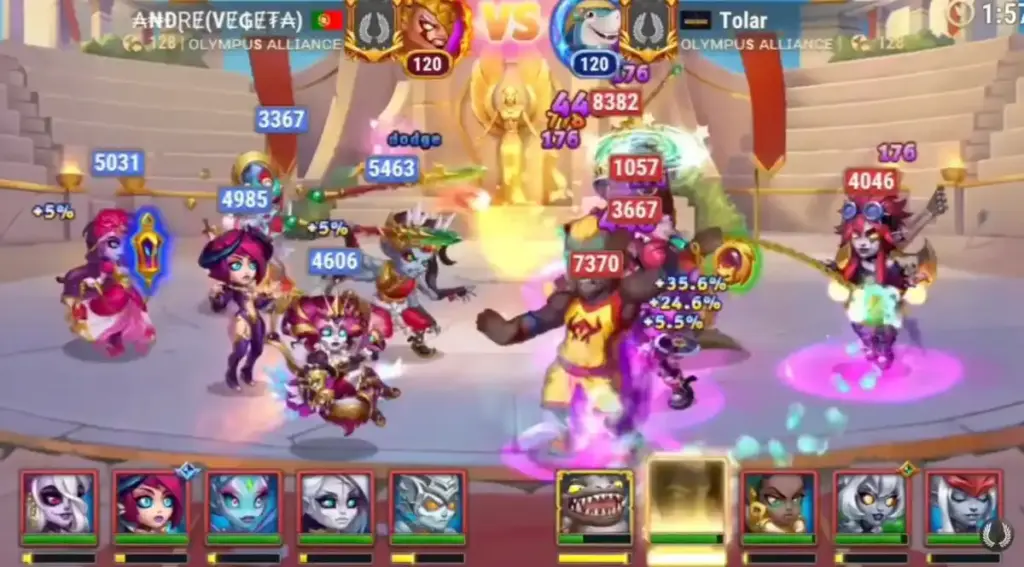
One expansion path is committing fully to the Eternity faction. Adding Corvus provides tanking and battlefield control, Morrigan adds disruption, and Iris becomes the main damage dealer. In this setup, Iris benefits immediately from constant debuffs and pressure, allowing her damage to ramp up from the opening moments of the fight.
Another option is a crit-focused dodge variation. Heroes such as Yasmine, Guus, Sebastian, Lara Croft, or Oya integrate smoothly. This version is especially threatening on both offense and defense. However, if Guus is chosen, Dante must be equipped with his first talisman, which provides critical hit chance. Without this detail, Guus cannot fully benefit from crit interactions, and the team’s sustain suffers.
Core Two: The MAM and BAMM Nature Core
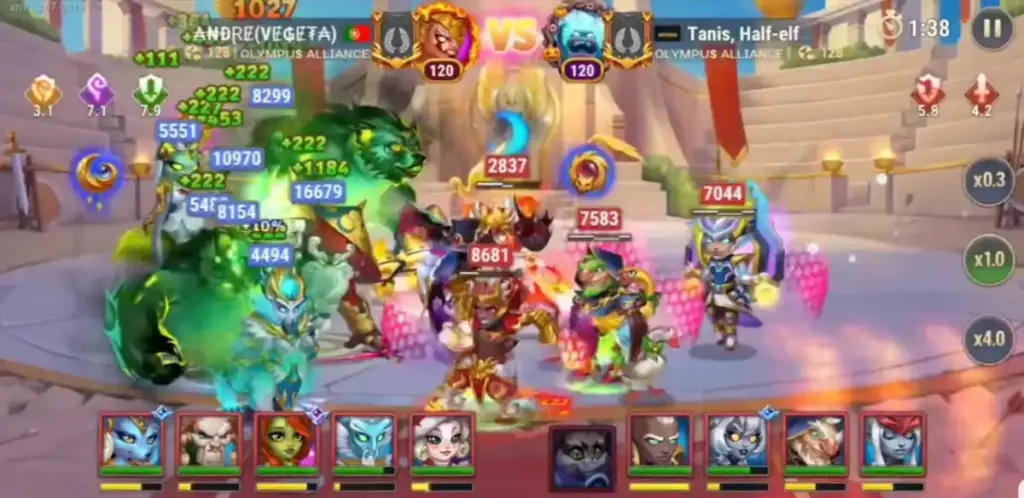
The second core in Top Core Teams Part 2 Hero Wars Alliance is MAM, consisting of Mushy, Alvanor, and Mojo. This Nature-based core focuses on frontal magic damage, healing, and magic penetration. When built correctly, MAM does not grind opponents down slowly. Instead, it overwhelms them quickly.
Front-line tanks vanish within seconds, formations collapse, and if the enemy cannot respond immediately, the battle ends fast. The arrival of Byrna has elevated this core significantly. With Byrna included, MAM evolves into BAMM, greatly increasing sustain, scaling, and overall lethality.
Investment and Payoff

This power comes with a clear requirement for investment. Health, magic attack, and magic penetration are all essential. Mushy, in particular, needs a high armor investment to survive as a front-line tank against physical teams.
However, once these requirements are met, the payoff is substantial. In favorable matchups, this core can erase the enemy front line almost instantly, leaving the rest of the team exposed and vulnerable.
Expanding MAM and BAMM: Top Core Teams Part 2
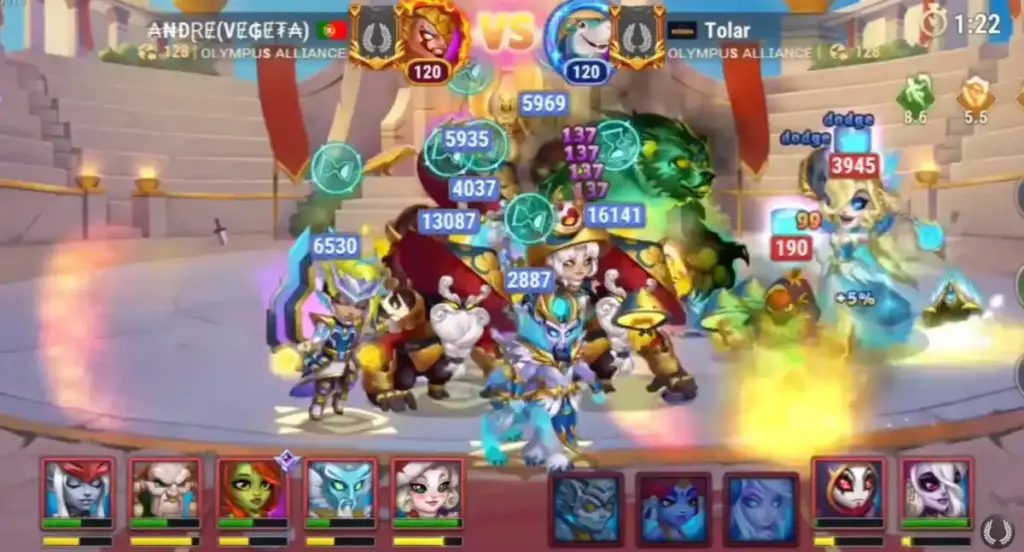
Several heroes can complement this core depending on the situation. Somna is one of the strongest additions, as she turns BAMM into a reliable Kayla counter. Control, disruption, and timing then begin to favor your side.
Against especially durable Progress teams, adding Aidan or Guus improves survivability through additional healing. Orion offers constant magic penetration and sustained pressure, while Astrid helps Mushy tank more effectively and contributes to frontal damage.
One crucial detail must not be overlooked. If Guus is added, the involved heroes must have their second talisman equipped. These talismans grant magic critical chance, which Guus relies on to trigger healing consistently. Without crits, Guus underperforms. With them, he becomes a powerful sustain engine.
Core Three: The Ashen Twins, Kayla and Aidan
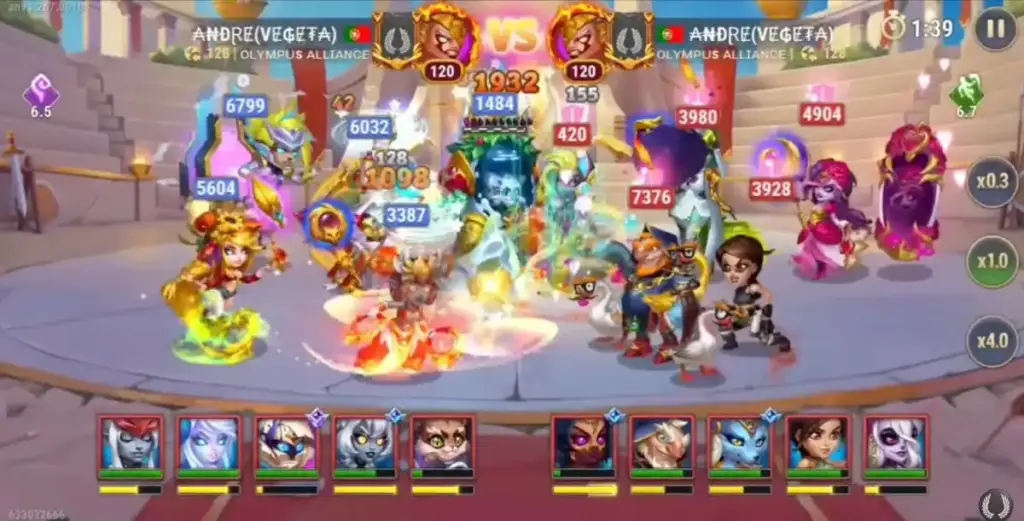
The final core in Top Core Teams Part 2 Hero Wars Alliance is the Ashen Twins, Kayla and Aidan, often referred to as Kayden. This duo has dominated the meta for roughly the last eighteen months.
Their synergy allows them to revive one another, creating exceptional resilience in extended fights. However, their strength goes far beyond resurrection mechanics alone.
Kayla operates deep within enemy formations, absorbing damage from multiple opponents simultaneously. This makes her highly dangerous, yet also vulnerable without support. Aidan provides that support through massive shielding, which often determines whether Kayla controls the fight or falls early.
In battles lasting longer than thirty seconds, Aidan’s presence becomes essential. Even if Kayla is defeated, Aidan’s durability frequently ensures her return shortly afterward. Together, they form one of the most punishing duos in the game.
Long-Term Value and Expansion Options
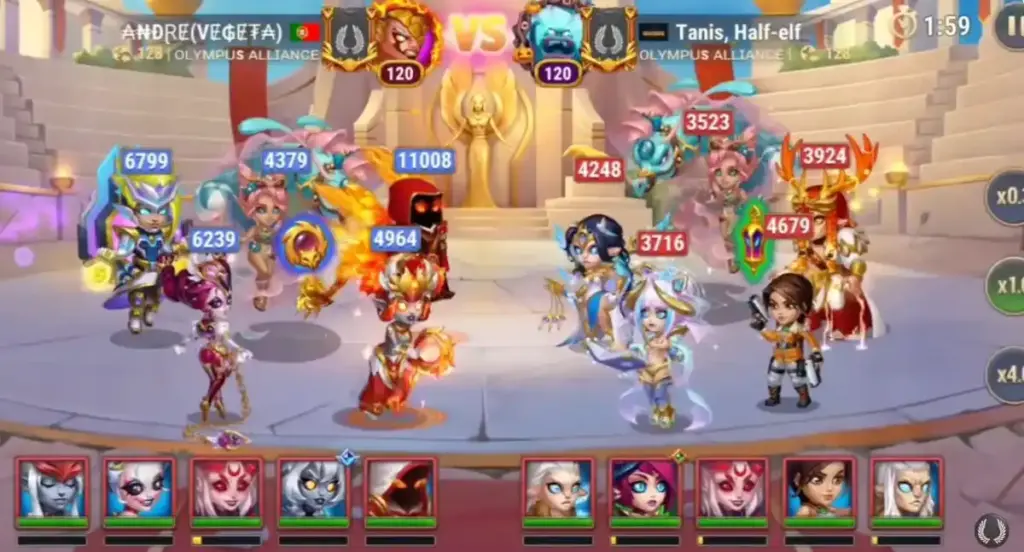
Both heroes reward long-term investment. Kayla scales with physical attack, while Aidan benefits from magic attack and health. Additionally, both gain significant value from glyph investment, making them strong candidates for efficient use of blue rune spheres.
One expansion path leans fully into Chaos, unlocking multiple faction buffs. A lineup featuring Astaroth, Xe’Sha, Aidan, Kayla, and Peech combines scaling pressure with explosive damage.
Another approach integrates Kayden into the JJI shielding core. Julius, Judge, and Isaac provide stability and protection, while Kayla and Aidan supply decisive kill potential.
At the highest levels of arena play, many players consider Julius, Kayla, Aidan, Polaris, and Folio one of the most oppressive teams available. Layered control, dual damage threats, and strong defenses make this composition extremely difficult to handle.
Conclusion: Choosing the Right Core for Your Account
In Top Core Teams Part 2 Hero Wars Alliance, the Dantavia dodge core, the MAM or BAMM Nature core, and the Kayden Chaos core each offer a distinct strategic identity. Each rewards smart investment and provides flexibility without forcing constant rebuilding.
Ultimately, the best core depends on your roster, available resources, and preferred playstyle. By focusing on durable foundations instead of fragile full teams, you maintain control over your account’s progression and stay competitive as the meta continues to change.
Check out: Top Core Teams Hero Wars Alliance: Build Reliable and Flexible Squads
Frozen Eternity Season Guide Hero Wars Alliance
FAQs: Top Core Teams Part 2 Questions
It allows players to invest once and adapt over time, maintaining flexibility without rebuilding entire teams.
High dodge values cause attacks to miss, accelerate energy gain, and quickly shift momentum in Dantavia’s favor.
Byrna enhances healing, sustain, and scaling, evolving MAM into BAMM and increasing its lethality.
Guus relies on magic critical hits to trigger healing, and the second talisman provides the necessary crit chance.
Their mutual synergy, shielding, resurrection mechanics, and strong scaling allow them to dominate prolonged fights consistently.