Corvus Low-Cost Build: Maximize Efficiency and Punishment in Hero Wars Alliance

Introduction
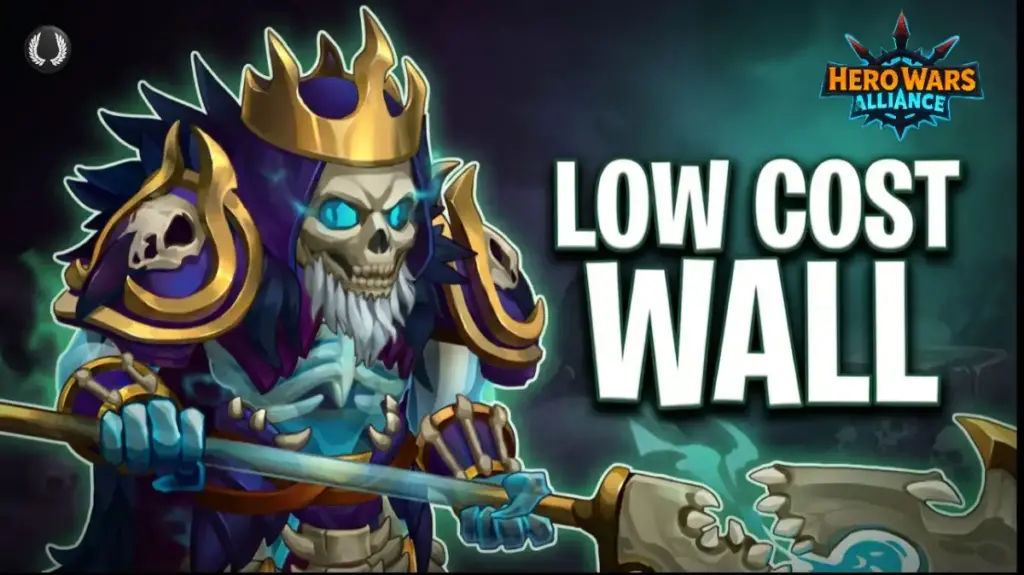
In Hero Wars Alliance, not every frontline tank requires endless resources to be effective. For players seeking heroes that deliver results without demanding full upgrades or expensive skins, Corvus stands out as a perfect choice. Although many have overlooked him, believing he is no longer meta-relevant, Corvus low-cost build, remains one of the most potent low-cost tanks in the game.
This guide will show you how to build Corvus in a way that maximizes his strength, health, and retaliatory potential while keeping resource investment minimal. By following this approach, you can create a tank that punishes enemies, functions efficiently, and remains predictable for you but unpredictable for your opponents.
Who is Corvus?
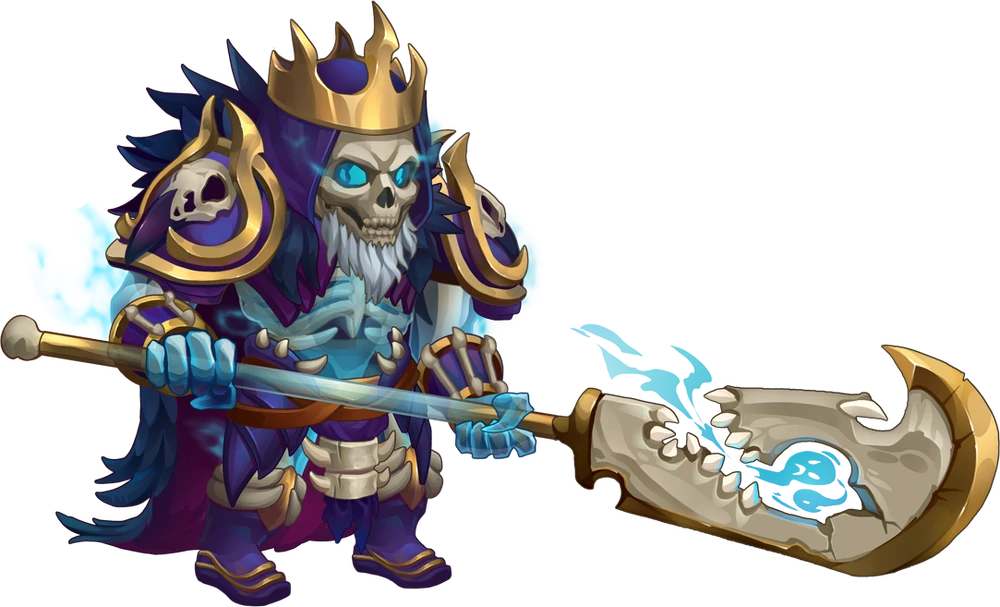
Corvus is a strength-based tank from the Eternity faction. Positioned on the frontline, he fights using physical attacks. His kit is designed for clarity, making him an ideal candidate for a low-cost build.
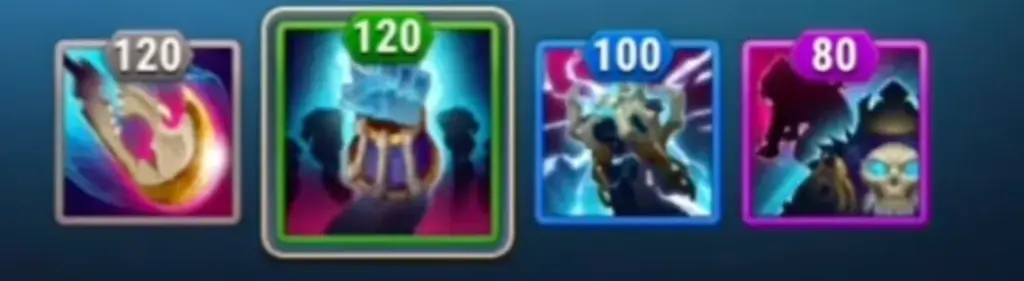
Two of his skills scale with physical attack, one scales with health, and another scales purely with skill level. This means that by prioritizing one main stat — strength — you simultaneously boost his attack and health. Strength serves as the foundation for his entire kit, allowing for an efficient and effective build without unnecessary micromanagement.
Moreover, Corvus is not just a damage absorber. His true strength lies in punishing enemies who attack him. The Altar of Souls transforms incoming damage into retaliation, which is particularly powerful against AoE-focused teams. Consequently, the more damage enemies deal, the more they inflict on themselves.
This highlights a critical insight: health is crucial. The more health Corvus has, the more his Altar can absorb and reflect. While strength is the core stat, health is what unlocks his full punishing potential.
Sparks of Power: The Must-Have Upgrade
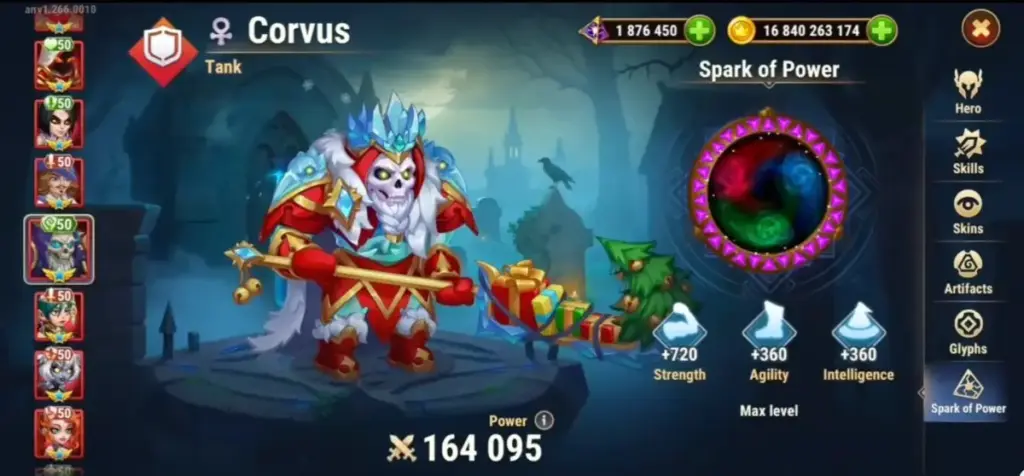
One upgrade that should never be skipped is Sparks of Power. This single upgrade simultaneously increases strength, health, and physical attack, offering immense value. Even in a low-cost build, maximizing Sparks of Power is essential because it strengthens multiple aspects of Corvus’s kit at once, ensuring he functions efficiently as a frontline tank.
Skins: Prioritize Strength and Health
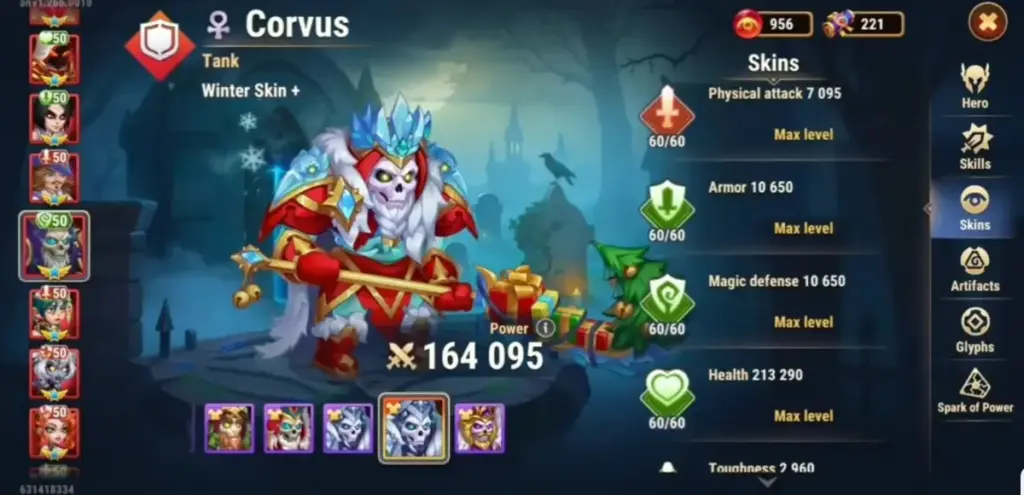
Now in Corvus low-cost build, after Sparks, skins are the next focus, but this is where many players make costly mistakes. The first and most important priority for Corvus is strength, not armor, dodge, or magic defense. The default strength skin increases physical attack and health simultaneously, directly improving his skills and Altar of Souls.
Following strength, health becomes the second priority. This is not because Corvus is fragile, but because health directly boosts the effectiveness of the Altar. More health means more reflected damage, more punishment, and greater value against AoE teams.
Beyond strength and health, additional skins are optional and not necessary for a low-cost build. This approach uses your resources efficiently and focuses on what truly enhances Corvus’s performance.
Artifacts: Essential Upgrades Only
Artifacts can also become a place where resources are wasted if not prioritized correctly. Corvus functions primarily as a tank and secondarily as a supporter, particularly for Eternity faction teams.
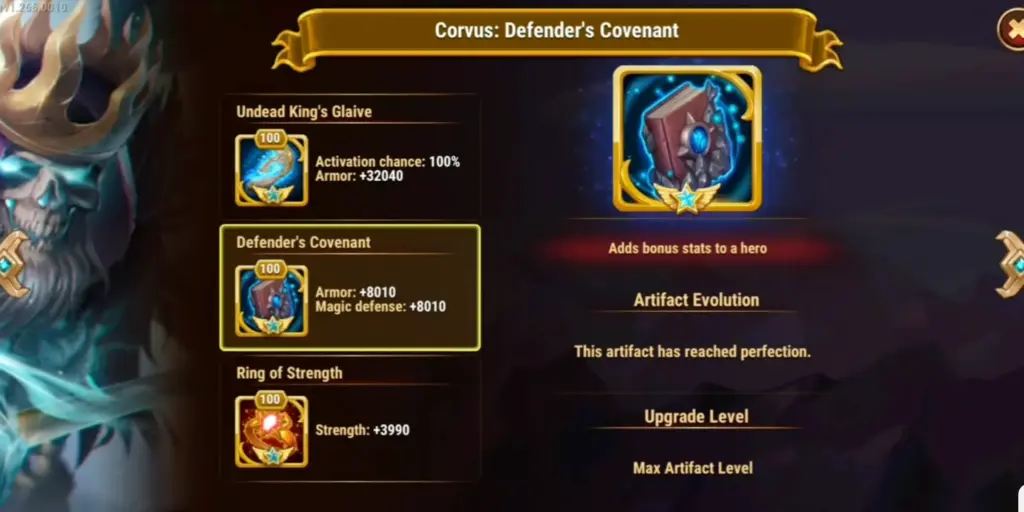
The top artifact for Corvus is the book, Defender’s Covenant, because it provides both armor and magic defense. One upgrade gives two layers of protection, making it highly efficient. Next is the ring artifact, the Ring of Strength, which directly boosts his main stat and improves his skills, even at five stars.
The weapon artifact, while beneficial, is not necessary for a low-cost build and can be upgraded later. By focusing on the book and the ring, Corvus achieves full frontline effectiveness without overspending resources.
Glyphs: Keep It Simple
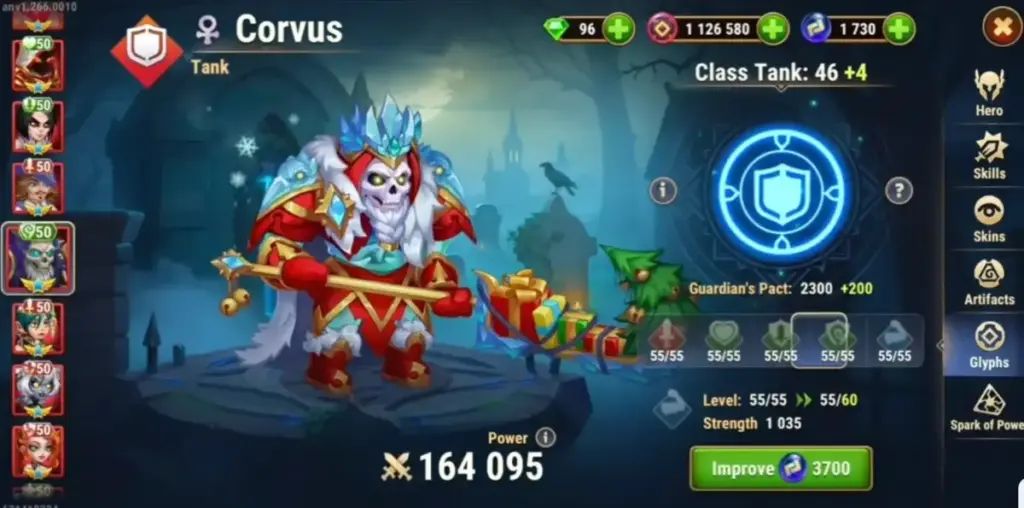
In Corvus low-cost build, for glyphs, simplicity is key. Strength should be your first priority as it enhances Corvus’s core abilities. After that, focus on health glyphs because they amplify the Altar of Souls, turning Corvus into a true punishment tank.
If you have limited resources — following the low-cost approach — level strength and health glyphs to 40 to make Corvus fully functional, and delay other glyphs, such as magic defense or armor, until later.
The goal is effectiveness, not perfection.
Primary Stats and Scaling
Strength naturally increases through leveling, evolution, ranks, and Sparks. Since health partially scales with strength, you don’t need to micromanage secondary stats. By prioritizing strength, Corvus scales into a durable frontline hero capable of absorbing damage and reflecting it effectively.
The Final Result: Corvus low-cost build.
By following this approach, Corvus becomes strong, efficient, and reliable in performance while remaining unpredictable for enemies. You avoid unnecessary overinvestment, conserve resources, and can focus on building other heroes.
Players consider this strategy a “dirty” build — not because it is weak, but because it performs exactly as required without excessive upgrades. Corvus may not headline the meta, but when built correctly, he remains one of the best low-cost frontline punishers in Hero Wars Alliance. Strong, efficient, and resource-friendly — this is the essence of the Corvus low-cost build.
Conclusion on Corvus low-cost build.
The Corvus low-cost build demonstrates that a hero can perform exceptionally without full upgrades or chasing every skin. By focusing on Sparks of Power, strength, health, the key artifacts, and essential glyphs, Corvus becomes a powerful tank that punishes enemies and thrives on the frontline.
This build allows you to save resources while maintaining a reliable and effective hero, perfect for any player looking for efficiency and strength in Hero Wars Alliance.
Check out: Corvus 3 Tips Guide
Dante Low-Cost Build
Octavia Low-Cost Build
Faceless Low-Cost Build
FAQ: Top Corvus low-cost build Questions
Corvus does not require all skins or full upgrades to be effective. By focusing on Sparks of Power, strength, health, the book and ring artifacts, and glyphs, he performs fully without overinvestment.
Strength should always come first as it boosts physical attack and health, enhancing his skills and Altar of Souls. Health comes second to maximize retaliation.
No. Prioritize the strength skin first, then health. Other skins, such as armor, dodge, or magic defense, are unnecessary for a low-cost build.
The top artifact is Defender’s Covenant, which increases both armor and magic defense. The Ring of Strength is next, boosting his main stat. The weapon artifact is optional and can be upgraded later.
Start with strength glyphs to enhance core abilities, followed by health glyphs to maximize Altar of Souls effectiveness. Magic defense and armor glyphs can be delayed.