
Corvus 3 Tips Guide: Dominate with the Bone Lord of Eternity


Introduction: Unleashing the Bone Lord
Corvus, the Bone Lord of the Way of Eternity, has returned to Hero Wars Alliance, ready to turn every strike against his allies into a lethal retaliation. He is more than a tank; he is the ultimate engine of counterattack and vengeance. Every blow enemies deal feeds his power, and every ally he protects strengthens his relentless presence on the battlefield. In this guide, we will explore Corvus 3 tips, explain his mechanics, synergies, supports, and counters, and show how to make the most of his formidable abilities. By mastering him, Guardians can transform defense into offense and suffering into victory.
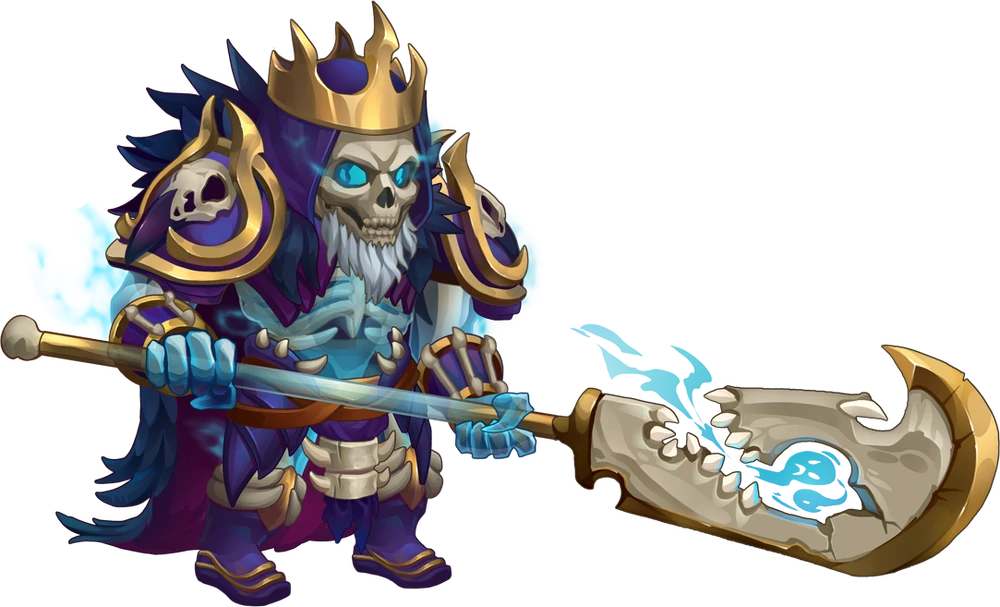
Who is Corvus?
Corvus is a Strength-based tank from the Eternity faction who commands the front line with authority. His signature ability, the Altar of Souls, strikes back whenever an ally takes damage, punishing reckless attackers and AoE-heavy enemies alike. Additionally, Corvus can teleport allies with low health to the center of the formation, shielding them from fatal blows.
Moreover, he enhances all Eternity allies’ physical and magical attacks while simultaneously weakening nearby enemies by reducing their armor, magic defense, and dodge. In essence, Corvus is built to counter aggressive teams, converting enemy attacks into a devastating response that can turn the tide of battle. Understanding these mechanics is key when applying Corvus 3 tips effectively.
Skills and Mechanics Explained: Corvus 3 Tips
Corvus’s gameplay revolves around his counterattack prowess and frontline control. His key abilities include:
- Altar of Souls: Strikes back whenever an ally takes damage, punishing enemies and rewarding tactical positioning.
- Protective Teleport: Moves low-health allies to the center of the formation, preventing fatal damage.
- Aura Buff: Boosts physical and magical attack for all Eternity allies while reducing enemy defenses, softening their frontline for retaliation.
By mastering these skills, you can apply Corvus 3 tips to maximize his effectiveness in both offensive and defensive scenarios. Proper timing and positioning are essential for making the altar deal consistent damage while protecting allies.
Synergies: Corvus 3 Tips #1
Iris and Counter Damage Amplification
Corvus reaches his full potential when paired with heroes that amplify his counter damage or enhance his durability. For instance, Iris benefits greatly from his passive aura, which reduces enemy armor and magic defense, allowing her attacks to hit harder and faster. Together, they deal overlapping physical and magical damage, dismantling enemy frontlines with ease.
Mushy and Shroom: Feedback Loop of Punishment
Mushy and Shroom also create strong synergy. Their multi-target attacks trigger Corvus’s altar repeatedly, forming a feedback loop of punishment. Corvus further boosts their damage output while their silences disrupt enemy mages, making AoE-heavy compositions particularly vulnerable. This combination is an essential part of Corvus 3 tips for handling aggressive teams.
Soleil: Defensive Support and Reflection
Soleil offers defensive support that protects the Bone Lord. With her Halo of the Ancient Gods, Corvus’s health decreases more slowly, his altar persists longer, and his counter damage scales more effectively. Soleil’s reflect mechanics, including silence, stun, and blind, amplify the pressure on enemies, creating a resilient and punishing frontline.
Faceless: Strategic Positioning Control
Faceless adds a strategic layer to Corvus’s gameplay. By throwing enemies back into their team, he maximizes the reach of Corvus’s debuff aura while creating openings for the altar to strike. Their combined positioning control turns enemy movement into a liability, and a single misstep can lead to instant defeat.
| Hero | How They Synergize | Strategic Advantage |
|---|---|---|
| Iris | Since Corvus reduces enemy armor and magic defense through his passive aura, Iris benefits greatly | Therefore, she deals harder and faster soul-burning damage, combining both physical and magical pressure effectively |
| Mushy & Shroom | Because their multi-target attacks trigger Corvus’s altar repeatedly, they constantly feed his counterattack | As a result, they create a feedback loop of punishment, making AoE-heavy enemy teams especially vulnerable |
| Soleil | With her Halo of the Ancient Gods, Corvus’s health decreases more slowly, and his altar persists longer; moreover, her reflect mechanics include silence, stun, and blind | Consequently, she protects Corvus, boosts counter damage, and turns the frontline into a punishing wall |
| Faceless | By throwing enemies back into their team, Faceless increases the number of altar hits; additionally, his stun and displacement open opportunities for Corvus | Thus, positioning becomes a tactical weapon, and enemy missteps can lead to instant defeat |
Supports: Corvus 3 Tips #2
Octavia: Tempo and Durability
Corvus thrives with the right supporting heroes who enhance his survival and offensive capabilities. Octavia, the Empress of the Domain, increases his dodge, armor penetration, and energy, allowing him to summon his altar more quickly. Their mutual dodge synergy also makes both heroes harder to hit, blending defense, offense, and tempo control.
Morrigan: Sustain and Endurance
Morrigan, the Bone Queen, provides unmatched sustain. Her skeletons absorb damage directed at the team, letting Corvus’s altar remain active longer while she heals him and boosts his defenses. This synergy exemplifies the Eternity faction’s theme of relentless endurance and denial of resurrection.
Phobos: Magic Threat Management
Phobos offers critical support against magic-heavy teams by targeting enemies with the highest magic attack, draining their power and disrupting their casts. When facing threats like Xe’Sha, Mushy, or Celeste, this combination stabilizes the frontline and prevents enemies from dealing significant damage.
Tempus: Battlefield Control and Scaling
Tempus, the Lord of Time, adds battlefield control. By halting enemy time cycles, he grants Corvus repeated opportunities for altar strikes, while the longer the fight continues, the more his health and counter damage scale. Together, they slow the battlefield, allowing the Eternity faction to turn enemy aggression into exhaustion.
| Hero | Support Role | Strategic Advantage |
|---|---|---|
| Octavia | Since Octavia increases Corvus’s dodge, armor penetration, and energy, he summons his altar faster | Therefore, their mutual dodge synergy makes both harder to hit, blending offense, defense, and tempo control |
| Morrigan | Because Morrigan’s skeletons absorb team damage, Corvus’s altar remains active longer | As a result, she heals him and boosts his defenses, creating unbreakable sustain for prolonged fights |
| Phobos | With his illusion magic, Phobos targets enemies with the highest magic attack | Consequently, he drains strength and disrupts enemy casts, stabilizing the frontline against magic-heavy teams |
| Tempus | By stopping enemy time cycles, Tempus gives Corvus repeated altar strike opportunities | Thus, as the fight extends, Corvus’s health and counter damage scale, turning aggression into exhaustion |
Counters & Weaknesses: Corvus 3 Tips #3
Armor Breakers
Even a hero as powerful as Corvus has vulnerabilities. Breaking his armor is one of the most effective ways to reduce his impact, and heroes like Sebastian, Isaac, and Jet excel in this regard. Dante can destabilize him by lowering Strength, weakening both his defenses and altar damage.
Sustain Loops Against Corvus
Additionally, healing and sustain loops can work against him. AoE damage dealers such as Keira, Heidi, or Iris, when paired with supports like Dorian or Oya, may benefit from repeatedly triggering his altar. Lifesteal or regeneration can outpace his retaliation, reducing the effectiveness of his counterattacks. Guardians should always consider these threats when applying Corvus 3 tips in strategic battles.
| Hero / Mechanic | How They Counter Corvus | Strategic Impact |
|---|---|---|
| Armor Breakers (Sebastian, Isaac, Jet) | Since breaking Corvus’s armor reduces his durability, these heroes target his defensive weakness | Therefore, the altar becomes much less threatening and Corvus loses frontline dominance |
| Dante | Because Dante lowers Corvus’s Strength, his main stat, both defenses and altar damage are weakened | As a result, Corvus’s counterattack potential drops significantly |
| Sustain / Healing Loops (Keira, Heidi, Iris + Dorian or Oya) | With repeated triggers from AoE attacks and healing loops, Corvus’s altar may be outpaced | Consequently, enemy regeneration or lifesteal can nullify his counterattacks, reducing overall impact |
Final Thoughts on Corvus 3 Tips
Corvus remains one of the most iconic and powerful tanks in Hero Wars Alliance. His Altar of Souls is more than a skill; it is a statement. It transforms enemy aggression into a form of retribution, defining the Eternity faction’s identity.
In the 2025 meta, Corvus excels in defensive setups and synergistic compositions. While not universal, he becomes an unbreakable pillar when paired with allies like Morrigan, Iris, Soleil, and Octavia. Also, Corvus protects, empowers, and punishes, embodying the three pillars of a perfect frontline hero. Guardians seeking a tank that converts suffering into victory will find no better choice than Corvus. Build him carefully, support him strategically, and let his altar of souls dominate the battlefield. Following these Corvus 3 tips ensures you maximize his potential every match. For more guides, visit the Hero Wars Alliance blog on our website. Check out Somna New Talisman
FAQs: Top Corvus 3 Tips Questions
Corvus is a Strength-based tank whose main purpose is counterattacking enemy teams through his Altar of Souls while safeguarding and empowering allies.
Iris, Mushy, Shroom, Soleil, and Faceless amplify his counter damage or enhance durability and battlefield control.
Breaking his armor with heroes like Sebastian, Isaac, or Jet, or lowering his Strength with Dante, reduces both defenses and altar damage. Sustain-heavy teams can also diminish his effectiveness.
It retaliates whenever an ally takes damage, punishing AoE teams and converting enemy attacks into an advantage.
Octavia, Morrigan, Phobos, and Tempus maximize his energy, healing, durability, and battlefield control, unlocking his full potential.