
Outdated Team Cores 2026: What You Should Stop Building Today

Introduction: Why Knowing What Not to Build Wins Games in 2026
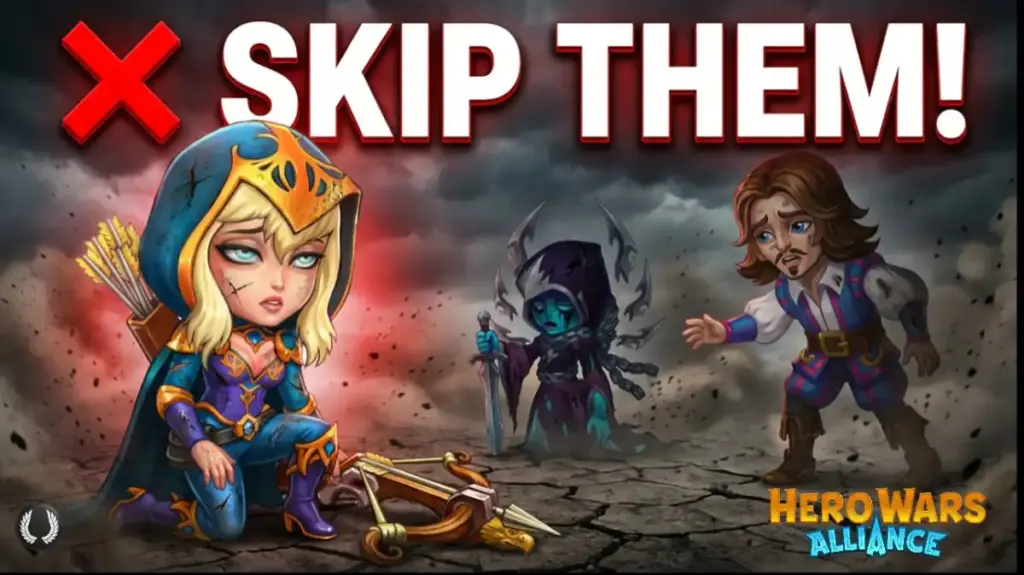
Outdated Team Cores 2026 Hero Wars Alliance is a topic many players underestimate, yet it has a massive impact on long-term account strength. Over the last several guides, the focus has been on what to build, which heroes form strong foundations, and which cores survive repeated meta shifts. However, knowing what to avoid is equally powerful.
Right now, outdated advice spreads faster than ever. Older videos resurface, familiar team names get repeated, and many players, especially newer ones, invest enormous amounts of gold, skins, artifacts, and time into team cores that no longer function in 2026. As a result, progress stalls before it even begins.
This guide exists to clear that confusion. These are not bad heroes. Instead, these are outdated cores, combinations that once dominated Hero Wars Alliance but no longer match the speed, control, and pressure of the modern meta. Understanding why they fell off matters more than nostalgia ever will.
What Defines Outdated Team Cores 2026 Hero Wars Alliance
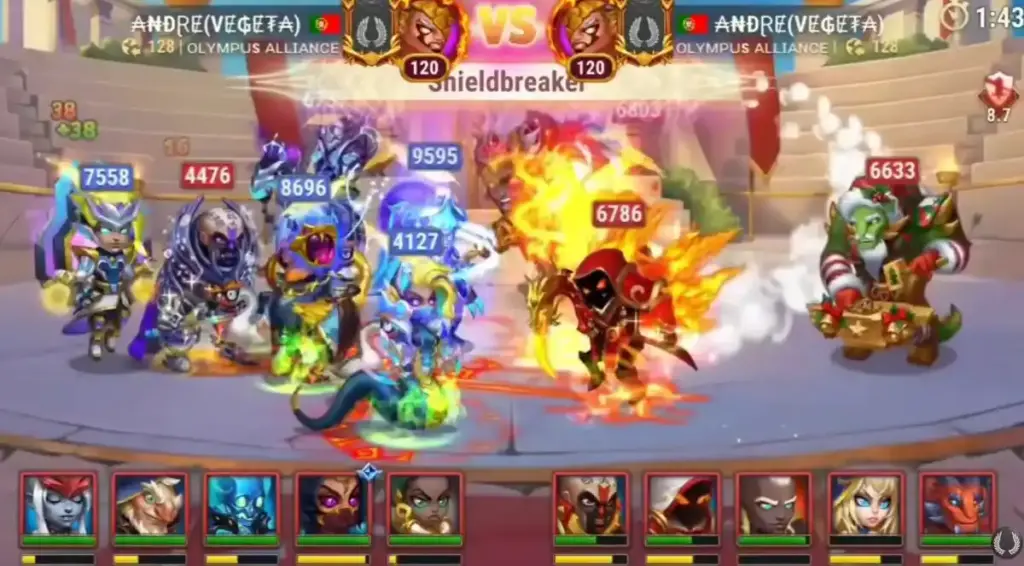
Outdated team cores share one defining issue: the game around them evolved. In the current Hero Wars Alliance environment, fights resolve much faster. Pressure starts earlier, control appears sooner, and delayed win conditions rarely get time to activate.
Because of this, slow-ramp compositions struggle heavily. Any core that needs extended setup, delayed energy cycles, or long survival windows becomes unreliable. This structural weakness connects every outdated team core discussed below.
Fafnir, Artemis, Tristan (FART): A Meta Legend That Lost Its Timing
One of the most recognizable examples in Outdated Team Cores 2026 Hero Wars Alliance is Fafnir, Artemis, and Tristan, widely known as FART.
In earlier seasons, this core ruled the game. Tristan supplied energy and armor penetration. Fafnir provided shields and buffs. Then, once Artemis reached her ultimate, entire teams vanished in seconds.
However, that version of Hero Wars Alliance no longer exists.
FART relies on slow ramping in a meta that now resolves fights quickly. It needs time to generate energy, time to survive incoming pressure, and time to reach Artemis’ ultimate. In 2026, most battles end well before that window opens.
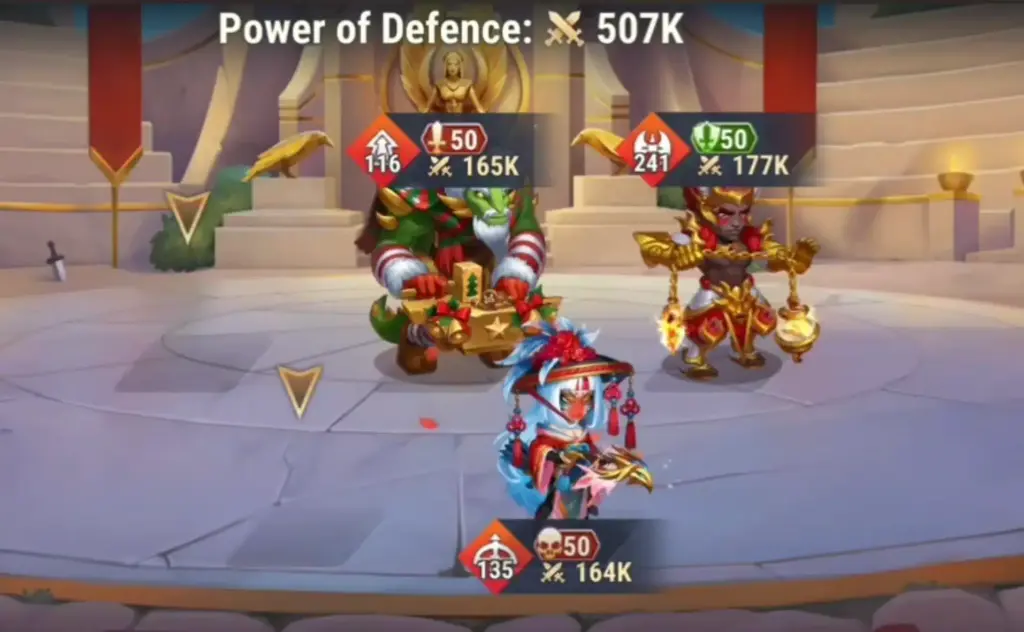
At the same time, counters are now common. Oya directly disrupts Artemis by breaking her flow and pressuring her survivability. Tempus interferes with Tristan’s timing and energy manipulation. Even Fafnir struggles, as modern fights demand immediate shields and front-loaded impact rather than delayed value.
Additionally, the rise of control heroes like Polaris, Somna, and Tempus completely collapses the core’s momentum. Slows, stuns, and delays consistently prevent Artemis from reaching the moment she needs to succeed.
Yes, FART still appears in comments. Yes, older guides still recommend it. Nevertheless, outside of very specific PvE scenarios such as Hydra, this core no longer justifies investment. If resources matter in 2026, FART should not be a priority.
Corvus and Morrigan: From Game-Changers to Game-Limited
Another surprising inclusion in Outdated Team Cores 2026 Hero Wars Alliance is Corvus and Morrigan.
When they first arrived, this duo reshaped the meta. They punished damage-over-time heroes, shut down resurrection mechanics, and dominated matchups against heroes like Iris, Kayla, Yasmine, Keira, and Heidi.
At that time, their impact was undeniable.
Since then, the game has moved forward.
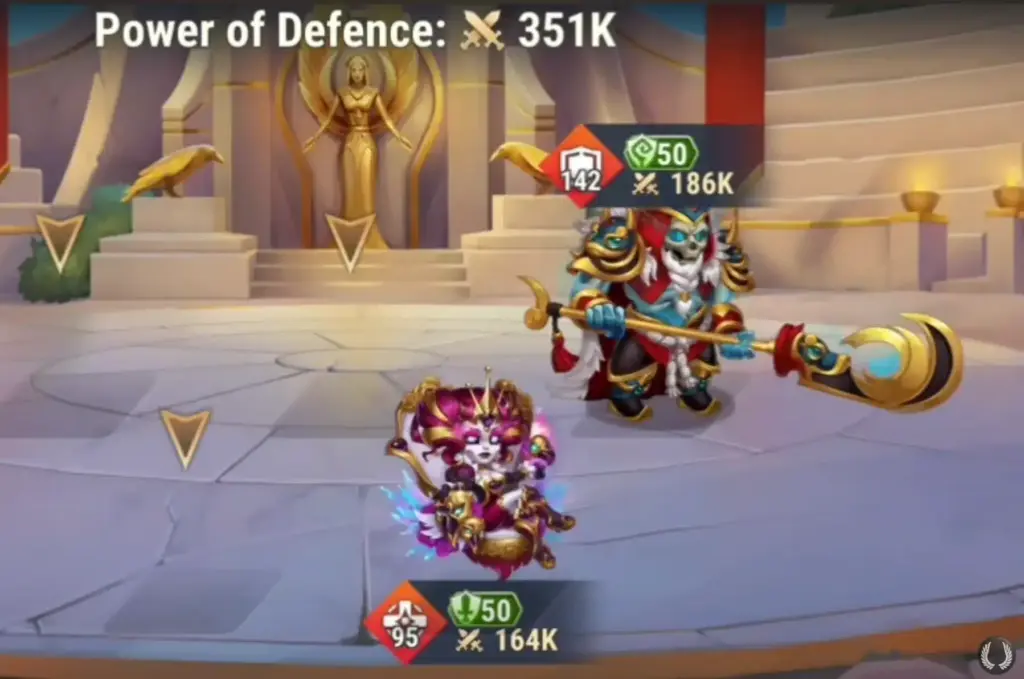
Health pools are significantly higher now. Corvus’ altar no longer applies enough pressure to threaten modern tanks or bruisers. Heroes such as Kayla can stand on the altar and survive comfortably. Even worse, experienced players now turn the altar into an advantage by using Dorian’s aura or Oya’s crit-based healing.
As a result, instead of punishing enemies, Corvus often ends up empowering them.
Meanwhile, Morrigan’s resurrection denial is no longer unique. Iris’ rework and Drayne’s execution mechanics naturally cancel resurrection without requiring Morrigan. Because of this, her role shifts from essential to redundant.
In current Eternity teams, Corvus and Morrigan are no longer the foundation. They have become the limitation. Long-term Eternity value now comes from heroes that scale, adapt, and function across multiple compositions rather than locking teams into outdated mechanics.
For players seeking a timeless Eternity option, the dodge engine built around Dante and Octavia remains relevant because dodge, tempo, and energy manipulation never lose value.
Keira-Based Cores: KSJ and KDF No Longer Fit the Modern Game
The final category in Outdated Team Cores 2026 Hero Wars Alliance includes KSJ and KDF.
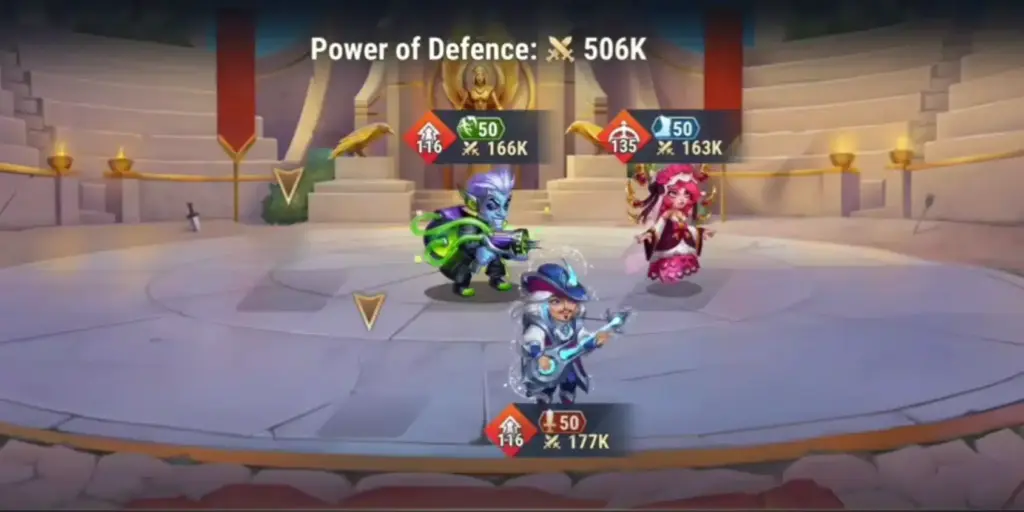
Keira, Sebastian, Jet.
Keira, Dorian, Fafnir.
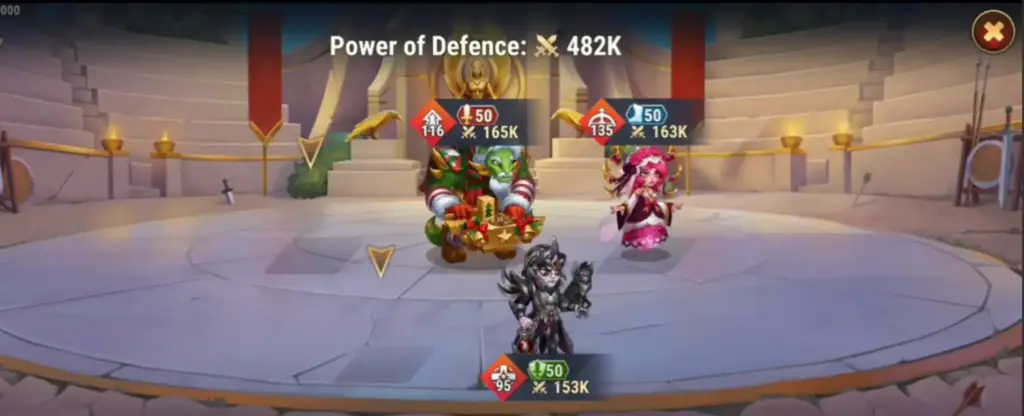
These cores once inspired fear. The Keira Blender overwhelmed teams through crits and attack speed, while KDF answered Corvus and softer mage compositions effectively.
Today, however, Keira herself is the core issue.
She represents a glass cannon profile in a game that no longer rewards it. Her damage spreads across the entire enemy team instead of reliably finishing targets. Consequently, she charges enemy energy rather than closing fights.
Modern damage dealers focus on execution, isolation, pressure scaling, or tempo disruption. Keira no longer excels in any of these areas.
Her survivability remains low, her damage profile is outdated, and her traditional cores are extremely difficult to repurpose. While her name is familiar and her early accessibility is tempting, heavy investment into these cores in 2026 leads to wasted resources.
There are stronger physical damage dealers, better crit engines, and more efficient paths for long-term growth.
The Real Lesson Behind Outdated Team Cores 2026 Hero Wars Alliance
Avoiding these cores does not mean they were ever weak. They were excellent in their era. However, Hero Wars Alliance evolves rapidly. A single month can change priorities, and a year can redefine the meta entirely.
That is why checking timestamps matters. That is why outdated advice should always be questioned. Building for nostalgia instead of future relevance limits progress.
Strong accounts are not built on hype. They are built on adaptability. Understanding Outdated Team Cores 2026 Hero Wars Alliance protects resources and supports smarter, future-focused decisions.
FAQs: Outdated Team Cores 2026 Hero Wars Alliance
No. These heroes are not bad individually. The issue lies in their traditional cores no longer functioning effectively in the current meta.
Outside of very specific PvE situations like Hydra, FART no longer justifies long-term investment.
Higher health pools, altar counterplay, and new resurrection denial mechanics removed their unique advantages.
Keira spreads damage without finishing targets, charges enemy energy, and lacks the execution or tempo control required in 2026.
Always question outdated advice, build for future relevance, and prioritize adaptability over nostalgia in Hero Wars Alliance.