
Phobos Team Guide | Hero Wars Alliance

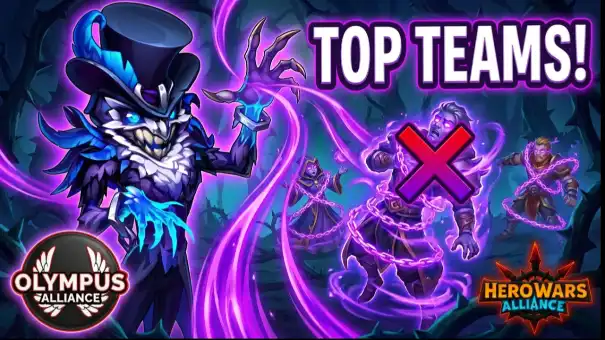
If you have been looking for the ultimate Phobos Team Guide for Hero Wars Alliance, you are in the right place. Phobos is no longer just a niche control pick sitting in the back of your roster. After his rework and the introduction of new relics, he has evolved into one of the most oppressive and intelligent-target controllers in the entire game — and the right team composition pushes him from strong to genuinely terrifying.
His paralysis is no longer a single moment of control. It is periodic, chained, and capable of interrupting ultimates at the exact moment they matter most. That changes fights completely, because you are not just stopping heroes — you are stopping timing. In Hero Wars Alliance, timing is everything.
Today we are breaking down three of the best Phobos teams available in the current meta, explaining how each one works and why Phobos becomes the cornerstone of every lineup. Let us get into it.
Why Phobos Is Dominating the Current Meta
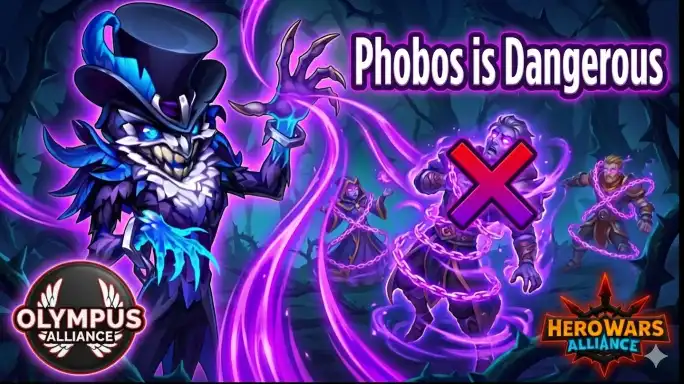
What separates Phobos from other control heroes is his targeting logic. He always finds the most dangerous intelligence hero on the enemy team — the backline mage who would otherwise dictate the pace of the fight — and locks it down. That precision alone made him viable before his rework. Now, with relic interactions adding periodic and chained effects, that control becomes layered and much harder to play around.
Paralysis no longer fires once and disappears. It repeats at critical windows, threatening to fire again just when the enemy thinks they are safe. Ultimates get interrupted. Damage windows get denied. The entire rhythm of the opposing team breaks down. This is why Phobos belongs in any serious Phobos Team Guide conversation — not as a counter pick, but as a core battlefield controller.
Phobos Team Guide: Team 1 — Pure Control Comp
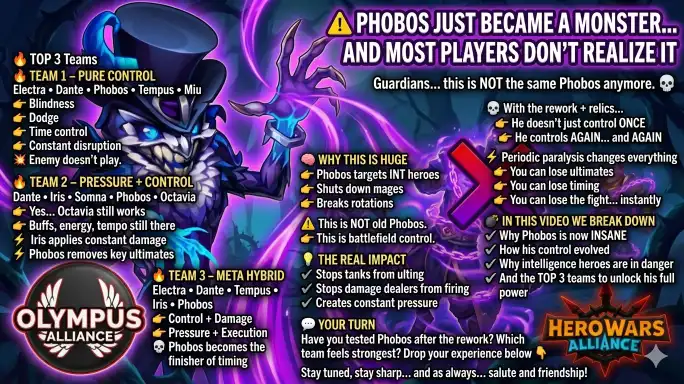
Electra · Dante · Phobos · Tempus · Miu
This is not a team that plays fair. Instead, it removes the opponent’s ability to play entirely. Every hero in this lineup contributes a layer of disruption, and when those layers stack together, the result is a suffocating level of control that most teams simply cannot break through.
Dante starts the pressure immediately, bringing dodge mechanics that force enemy attacks to miss and introducing inconsistency into the opponent’s damage output from the first wave. Electra then amplifies the disruption further, adding control layers that make it even harder for enemies to find stability in the fight.
Miu is where the comp starts to truly escalate. Blindness from Miu stacks directly on top of Dante’s dodge, meaning enemies are not just missing occasionally — they are consistently failing to connect, and the entire rhythm of their offense collapses. Sitting right in the middle of all this chaos is Phobos, targeting intelligence heroes, applying paralysis, and interrupting key ultimates at exactly the wrong moment for the opponent.
Tempus completes the picture. He does not just control — he slows the fight, applies pressure over time, and with his relic interactions, introduces unavoidable damage and additional debuffs that make the battlefield increasingly hostile. What you end up with is a layered control system: dodge, blindness, paralysis, time pressure, and periodic damage, all stacking to produce one outcome. The enemy does not get to play.
Phobos shines most in exactly this kind of environment. When enemies cannot act consistently, his precision targeting becomes even more impactful, locking down whatever threats manage to survive the initial waves of disruption.
Phobos Team Guide: Team 2 — Damage and Synergy Comp
Dante · Iris · Somna · Phobos · Octavia
This team is a more nuanced build, and it is one that rewards players who understand how synergy works at a deeper level. At first glance, Octavia alongside Iris might raise eyebrows. However, looking at what Octavia actually brings to this roster makes the decision very clear.
Octavia still delivers energy gain, team buffs, survivability mechanics, and tempo acceleration. While her direct interaction with Iris may have shifted with the current meta, everything else she contributes is fully intact. This team is not built around one counter — it is built around layered pressure that compounds as the fight progresses.
Dante again provides the foundation with dodge pressure and early inconsistency in enemy damage. Iris then steps onto the field as the main damage engine, applying constant damage over time that cannot be dodged, cannot be reflected, and keeps ticking regardless of what defensive mechanics the opponent tries to use.
Somna adds another layer of control and disruption, introducing magic-based synergy that increases overall pressure and makes it progressively harder for enemies to find any stable ground. With all of that happening simultaneously, Phobos steps into his role as the key controller. While Iris is applying relentless damage, Phobos is deciding who gets to respond to it. He locks down the most dangerous intelligence targets, interrupts ultimates, and with periodic paralysis, ensures that even enemies who survive the initial wave remain under constant threat.
Octavia then quietly amplifies the entire system — cycling energy faster, accelerating ability usage, and giving the team more opportunities to apply control and damage per minute. This team is ultimately about synergy over counters, and in that environment, Phobos’s control does not need to carry the fight. It just needs to land at the right moment.
Phobos Team Guide: Team 3 — Hybrid Control and Damage Comp
Electra · Dante · Tempus · Iris · Phobos
This is the most aggressive of the three builds, combining the disruption density of Team 1 with the damage pressure of Team 2 into one cohesive lineup. Consequently, it hits extremely hard from multiple angles at the same time.
Dante once again sets the foundation — dodge mechanics create unreliable enemy attacks from the opening moments. Electra adds disruption and control amplification on top, making it harder for opponents to respond to anything that follows. Tempus then slows the battlefield, applies escalating debuffs, and creates a zone where the fight becomes increasingly hostile for whoever is on the receiving end.
Iris enters as the primary damage source. Her damage over time continues ticking regardless of what the enemy does — there is no dodging it, no reflecting it, and no defensive mechanic that stops the clock. That sustained pressure means the only realistic way for an opponent to survive is through key ultimates.
That is precisely where Phobos becomes the decisive factor. With constant pressure applied from multiple sources, the enemy is forced to rely on those critical ability windows. Phobos finds the intelligence target, locks it, and removes that window entirely. With periodic paralysis from his relic interactions, the threat does not end after the first cast — he threatens to repeat it, and that repeated danger is what makes him exceptional in this meta.
Control in this build is not a single event. It is a sustained threat that the enemy cannot plan around, and that makes every other element of the team hit harder by default.
Is Phobos Meta-Defining Right Now?
Looking across all three builds in this Phobos Team Guide, one thing becomes undeniable. Phobos is no longer just a counter pick. He has become a core control piece — a hero who does not simply react to the enemy’s lineup but actively dictates how the fight unfolds.
His rework changed the ceiling of what he can do, and the new relics extend that ceiling further than most players have tested yet. Against intelligence-heavy teams in particular, his targeting becomes even more impactful, removing the most dangerous threats before they can act. If you have been overlooking Phobos in your Alliance roster, now is the time to revisit that decision. With the right team around him, he is not just viable — he is a nightmare to play against.
More Hero Wars Alliance Guides
- Aidan Synergy Guide
- Jhu Talisman Guide
- Yasmine Talisman Guide
- Tempus Relics Explained
- Oya Talisman Guide
Want to share your Phobos results or get help building the right team? Join the Olympus Alliance Discord and connect with the community. Salute and friendship, Guardians!